GBL Order Online
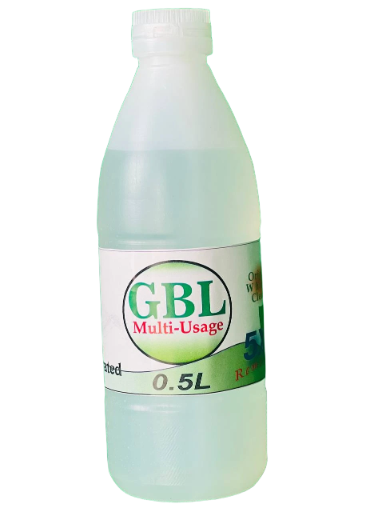
GBL Cleaner - 0.5L
Pure GBL
$214.93
Description:
removing paint,
removal of tectyl,
removal of chewing gum,
removing fat,
removal of oil,
remove glue,
removal of enamel,
removing ink,
removing rust,
removing weeds in an environmentally friendly manner,
removal of graffiti,
removing nail polish,
removal of resin,
cleaning alloy wheels,
cleaning brakes,
cleaning of printed circuit boards,
cleaning print heads,
stripping of wood,
wide applications in the electrolytic industry,
solvent for polymers.
Hazard indentification:
R 22 - Harmful if swallowed.
R 36 - Irritating to eyes.
S 2 - Keep out of the reach of children.
S 26 - In case of contact with eyes, rinse immediately with plenty of water and seek medical advice.
S 36 - Wear suitable protective clothing.
S 45 - In case of accident or if you feel unwell seek medical advice immediately (show the label where possible).
Personal protection:
wear protective gloves and goggles before use,
water down the solvent,
always check the interaction of the dissolvent on the small surface you want to clean,
clean the surface using little quantity of dissolvent and a cloth or brush,
rinse the clean surface with cold water and dry,
wash your hands,
use the liquid only in well ventilated spaces.
GBL and GHB: Understanding the Difference, Uses, Risks, and Safety
GBL and GHB are two chemically related substances that are frequently mentioned together, but they are not the same compound. Understanding the distinction between gamma-butyrolactone (GBL) and gamma-hydroxybutyrate (GHB) is important for anyone researching these chemicals, their legitimate industrial applications, their effects, and the risks associated with misuse.
At GBL Clean Shop, we believe that chemical information should be clear, responsible, and safety-focused. This guide provides an overview of GBL and GHB without promoting human consumption or unsafe use.
What Is GBL?
GBL stands for gamma-butyrolactone. It is an organic chemical compound with a wide range of legitimate industrial applications. GBL is used as a solvent and chemical intermediate and can be found in certain industrial and cleaning-related applications.
One of the most important characteristics of GBL is its relationship with GHB. When GBL enters the human body, it is rapidly converted into GHB. This means that GBL should not be treated as an ordinary household or industrial solvent when considering exposure risks.
GBL is also highly miscible with water and is commonly described as a colorless liquid. Its industrial usefulness comes from its chemical properties, but those same properties require appropriate handling, storage, labeling, and regulatory compliance.
What Is GHB?
GHB stands for gamma-hydroxybutyrate. It is a central nervous system depressant and is also naturally present in the human body in small amounts.
GHB has had limited medical applications in certain jurisdictions, including prescription treatment for narcolepsy in specific pharmaceutical formulations. However, non-medical GHB can be dangerous because its effects can vary considerably and excessive exposure can result in serious poisoning.
GHB has also become associated with illicit recreational use and drug-facilitated sexual assault because of its sedative effects. This history makes accurate information and responsible handling particularly important.
GBL vs. GHB: What Is the Difference?
The simplest distinction is chemical:
GBL is gamma-butyrolactone.
GHB is gamma-hydroxybutyrate.
GBL can be rapidly converted by the body into GHB.
GHB directly produces central nervous system effects.
GBL has important legitimate industrial applications, while GHB has much more restricted medical and legal uses.
Scientific reviews confirm that GBL and another related compound, 1,4-butanediol, are rapidly metabolized into GHB after exposure.
Because of this metabolic relationship, exposure to GBL can produce many of the same serious toxic effects associated with GHB.
Why Is GBL Used in Industry?
GBL has legitimate applications because of its solvent properties and chemical versatility. Industrial uses can include applications involving solvents, chemical manufacturing, coatings, and other specialized processes.
Its industrial value should not be confused with suitability for human consumption. Industrial-grade chemicals are not automatically suitable for ingestion, pharmaceutical use, or any other human application.
Anyone handling GBL should follow the applicable safety data sheet (SDS), manufacturer instructions, workplace procedures, and local regulations.
Health and Safety Risks
The greatest concern surrounding GBL and GHB is their effect on the central nervous system.
Exposure can produce effects ranging from dizziness and drowsiness to confusion, vomiting, loss of consciousness, respiratory depression, coma, and death. The difference between an intended effect and a life-threatening exposure can be difficult to predict.
The risk becomes particularly serious when GHB or GBL is combined with other central nervous system depressants. Alcohol, for example, can intensify their depressant effects and increase the risk of dangerous respiratory depression.
For this reason, GBL and GHB should never be treated as recreational products or as substances that can be safely experimented with.
GBL, GHB, and Alcohol
Combining GBL or GHB with alcohol is especially hazardous.
Both substances can depress the central nervous system. When their effects overlap, sedation can become much more pronounced and can progress to unconsciousness and potentially life-threatening breathing problems.
Other sedating substances can present similar risks. The safest approach is to avoid combining GBL or GHB with alcohol, sedatives, opioids, or other central nervous system depressants.
Signs of Possible GHB or GBL Poisoning
Possible signs of serious poisoning can include:
Extreme drowsiness or inability to stay awake
Confusion or unusual behavior
Vomiting
Loss of coordination
Unresponsiveness
Abnormal or slowed breathing
Seizure-like movements
Loss of consciousness
Coma
A person who is unconscious or having difficulty breathing requires immediate emergency medical attention.
Do not assume that someone who becomes unconscious will simply "sleep it off." GHB-related poisoning can change rapidly, and serious respiratory depression can occur.
Responsible Handling of GBL
For legitimate industrial or commercial applications, GBL should be handled as a chemical product rather than as a consumer beverage or supplement.
Good chemical-handling practices include:
Keep the product in its original, appropriately labeled container.
Follow the applicable Safety Data Sheet (SDS).
Use appropriate personal protective equipment where required.
Keep chemicals away from food, drinks, children, and unauthorized users.
Store chemicals according to the manufacturer's instructions.
Do not transfer chemicals into beverage bottles or food containers.
Never intentionally ingest industrial or commercial GBL.
Follow all applicable local, national, and international regulations.
Legal Considerations
The legal status of GBL and GHB varies between countries and can change over time. Some jurisdictions regulate GBL because it can be converted into GHB, while GHB itself may be subject to strict controlled-substance laws.
Before purchasing, possessing, transporting, importing, exporting, or using GBL for any purpose, customers and businesses should verify the laws applicable to their location and intended application.
Regulatory compliance is ultimately the responsibility of the purchaser and end user.
Frequently Asked Questions
Is GBL the same as GHB?
No. They are different chemical compounds. However, GBL is rapidly converted into GHB in the human body, which is why they are closely associated.
Is GBL used commercially?
Yes. GBL has legitimate industrial and chemical applications, including use as a solvent and chemical intermediate.
Is GHB medically used?
Certain pharmaceutical formulations of GHB, such as sodium oxybate, have recognized medical uses in some countries for conditions including narcolepsy. This does not mean non-prescription or illicit GHB is safe.
Is GBL safe to consume?
GBL intended for industrial or commercial chemical applications should not be consumed. GBL is rapidly converted to GHB in the body, and exposure can cause serious poisoning.
Can GBL and GHB be mixed with alcohol?
They should not be. Alcohol can increase the depressant effects and substantially increase the risk of dangerous CNS and respiratory depression.
Conclusion
GBL and GHB are chemically related substances with very different contexts of use. GBL has legitimate industrial applications, while GHB has limited pharmaceutical applications under controlled medical conditions. At the same time, both substances present significant safety concerns when exposure occurs outside their appropriate regulated applications.
Understanding the chemistry, legitimate uses, legal requirements, and health risks surrounding these substances is essential for responsible chemical management.
GBL Clean Shop is committed to providing clear product information and encouraging responsible, compliant chemical handling. Always consult the applicable SDS and local regulations before handling or purchasing chemical products.
© 2026 GBL Clean Shop - All Rights Reserved